VOLUME 26, ISSUE 24 | JUNE 19, 2026 |
GETTING AWAY TO WRITE I tell people all the time that I have the perfect place to write. I live on a lake. My study is only for writing, and it faces the cove. From that window I see deer, ducks, herons, storms blowing in, and the colors of fall leaves reflecting in the water. What's
not to like? Not everyone has that. But that's not to say I reserve my writing to that one perfect place. If you decide you want to be a writer, you will find the places that help turn on the words. But if you decide to be a career writer, you will learn to write at the drop of a hat wherever you are. I cannot always be in my study. And I'm not always in my study when
thoughts come to mind or the writing bug hits. I'm in Maine this week at a writer's retreat. While I am part of the faculty, I have an incredible number of hours to devote to words, without interruption or obligation. That's rather intimidating. This is my fourth year at the retreat. I've watched people get bored, get confused, get literally stymied with so much time on their hands. It's a house of quiet without television. I've
written as many as 10,000 words at one of these things. And it's a test of whether you can set your mind to write anywhere and almost anytime. Can you slow your mind down, or rather, divert it to the task at hand? "I can only do so much at a time," can be heard from at least one person while I'm there. People like to think of writing as flowing, not tangible, done as
the mind feels the want. Try doing it like a job. One time, make yourself sit four hours at a computer (or on paper) and crank out words. Then do it not once but twice in a week. Then three times. Then do it for one week, two weeks, then three. Then a month, then two, etc. Writing becomes an urge then. Like my-day-isn't-complete urge. Athletes hate letting a day pass without hitting the track, the gym, or the bike. Writing is no
different. It's just you have to trudge through the difficult part of creating the habit to reach that urge. But once you do, it's quite satisfying. Trust me. |
I CAN'T AFFORD TO. . . OR CAN YOU?
In a recent online thread, I watched how people justified cutting corners in their work. They said they could not afford to hire an editor, pay a good cover designer, or pay for a formatter. Then I watched them fuss at Amazon because their books were not making money. Then I watched people hate on traditional publishing, which cost them nothing, because you lose control, you lose money, you lose choice, it takes too long, etc. Then they complained about not making money. People spend more time justifying their choices than studying the other options. Not everyone has the knowledge or money to self-publish a book from scratch, doing it all
themselves.
1) Pay someone seasoned to do it.
2) Save up money until you can hire quality talent.
3) Attempt traditional.
4) Slow down and take your time to learn your options.
5) Study the details of publishing to make the best informed decisions.
Sales aren't down because of Amazon, folks.
-June 13-20, 2026 - Gutsy Great Novel Retreat, Bar Harbor, Maine - Hope as author-in-residence -July 25, 2026 - Smoking Guns Sisters in Crime Zoom meeting - Noon - Zoom -August 17, 2026 - Saluda County Library, Saluda, SC - 5:30-7 PM -August 29, 2026 - Saturday Writers Group - noon Eastern - Zoom -October 27-28, 2026 - SC Library Conference, Columbia Convention Ctr - lunch speaker -November 15-21, 2026 - Edisto Beach, signings TBD
Email: [email protected] to schedule events, online or otherwise. A teacher who is attempting to teach without inspiring the pupil with a desire to learn is hammering cold iron. ~Horace Mann
How I Cut My Payment Wait Time by Half Using Faster Invoicing Habits
By Millicent Mwololo Lagat When I started my freelance journey, I knew two things: write and get paid. Relying on writing to pay
bills, my initial assignments were simple. Payments of $30 (yes, I worked for this little amount) trickled in quickly via PayPal, often without an invoice. As I landed better-paying jobs, my frustration grew because I was waiting longer for money. I didn't understand that professional payments run on "terms." It took an editor saying, "We pay Net 30," followed by weeks of "I haven't received your invoice," for my world to unravel.
Understanding how money moves after submission changed everything. Understanding Payment Terms Invoicing terms apply to your submission, approval, or publication date. Net 15: This is my favorite payment term, however, it's rare and ideal. You are paid within 15 days. Net 30: Payment within 30 days is the gold standard for many publications. Net 60: Payment within 60 days is common for large media organizations. Net 90: A three-month stretch often caused by internal cash flow issues. I've had to view these as "short-term savings" just to pacify myself during the wait. Hard Lessons Learned A high rate-per-word matters less if your money is tucked away for months. I once celebrated a high-paying assignment, only to realize it was Net 60. I was functionally broke while waiting for money I had already earned. Now, I ask before accepting any job: "What are your standard payment terms?"
If the answer is vague, that's a red flag. I also learned that silence doesn't mean "processing." I once waited 60 days only to be told, "Please correct the errors on your invoice for the next cycle." A simple typo threw me back to the starting line, resetting my wait time. For a few publications, the clock may start when you submit your invoice but often, it's left to your invoice approval. In the past I'd remain broke for months,
counting down weeks to a single payment but I've had to cushion myself against these long wait times. Habits That Fast-Track My Payments 1. Invoice immediately upon submission Unless a contract states otherwise, I invoice the moment I hit send, not after edits or publication. This anchors
the process early. If I wait for confirmation, I risk forgetting to send the invoice at all. 2. CC the right people Editors assign work, but finance pays it. I always include the Accounts Payable (AP) email on my invoice. This ensures it lands in the right department immediately so I don't have to bother my editor about the status. While your editor can volunteer the AP
email address, I usually hunt them down on the publication website under "teams" or find the details online. The last thing you want is to send an email that never gets to the right department. Triple check your details. 3. Track every cent I use a spreadsheet to track the publication, rate, invoice date, terms, and actual payment date. After a few months, patterns emerged.
Some markets pay on time; others stretch the truth. This data helps me prioritize which editors to work for when my own bills are due. The Result Once I became consistent, I stopped forgetting who owed me what and reduced delays caused by administrative gaps. I began choosing assignments based on cash flow reality rather than just the byline. Most
importantly, I stopped "waiting to get paid" and started managing a predictable system. Freelance writing income doesn't just depend on writing skill. It depends on how well you understand the payment infrastructure behind the work. With these tips you're ready to take on your next assignment and get paid accordingly. BIO - Millicent Mwololo Lagat is a writer
who focuses on stories that matter. She enjoys the ins, outs and in-betweens of the writing world. https://muckrack.com/millicent-mwololo
ID 141397288 © Amenic181 | Dreamstime.com
GUTSY GREAT NOVELIST PAGE ONE PRIZE $20 ENTRY FEE. Submissions
open Tuesday, June 16, 2026. Deadline Thursday, July 16, 2026. The 7th Annual Gutsy Great Novelist Page One Prize is awarded for an outstanding first page of an unpublished novel. First prize is $1,000; 2nd is $500; and 3rd is $250. The prize is open internationally to anyone over 18 writing a novel in English in any genre for adult or YA readers (fiction only). Winners will be announced Thursday, August 27, 2026. THE WASHBURN CHAPBOOK PRIZE
https://www.harbor-review.com/washburn-prize
$10 ENTRY FEE. Deadline July 31, 2026. The prize is awarded once a year to a woman or non-binary writer for a micro chapbook, which Harbor Review will
publish digitally on our website. Micro chapbooks should be exactly 10 poems long. The winner will receive $200 and publication of their micro chapbook online at Harbor Review. All rights revert to the author after publication. DAVE GREBER FREELANCE WRITING AWARDS
https://www.greberwritingaward.com/call-for-submissions
NO ENTRY FEE. Deadline June 26, 2026. The book award is set at $5,000 and the magazine award is set at $2,000. Applicant must be a continuing resident of Canada and at the date of application lived in Canada for the last twelve months. Applicant must be working a minimum of seventy per cent of their work time as a self-employed freelance writer. Submission Option 1 - For Magazine Articles Published
Before June 26, 2026. Submission Option 2 - For Contracted Magazine Articles That Will be Published After June 26, 2026. PETRICHOR PRIZE FOR FINELY CRAFTED FICTION
https://regalhousepublishing.com/the-petrichor-prize-for-finely-crafted-fiction/
$25
ENTRY FEE. Deadline July 15, 2026. $1000 and book publication by Regal House Publishing. Minimum of 100 pages, maximum of 375 pages. Winning manuscript will be published in paperback, hardcover, and ebook editions. PRESS 53 AWARD FOR POETRY
https://www.press53.com/award-for-poetry
$30 ENTRY FEE. Deadline July 31, 2026. Publication by Press 53 of the winning poetry collection as a Tom Lombardo Poetry Selection, $1,000, and 53 copies. Manuscripts should be approximately 50 to 120 pages in length. TWFEST LITERARY CONTEST - FICTION
https://tennesseewilliamsfestival.submittable.com/submit
$25 ENTRY FEE. Deadline October 15, 2026. Fiction category - Grand Prize $1,500, domestic airfare (up to $500) and French Quarter accommodations to attend the Festival in New Orleans, VIP All-Access Festival pass for the next Festival ($600 value). This contest is open only to emerging writers who have not
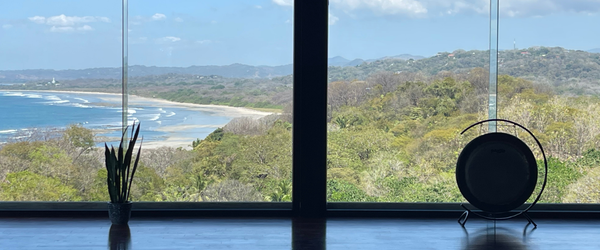
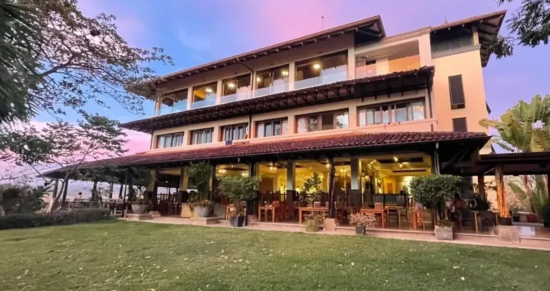
yet published a book of fiction. Published books include any book with an ISBN, including self-published. A submission is one original short story, written in English, up to 7,000 words. GRANTS / FELLOWSHIP / CROWDFUNDING WRITING YOUR LIFE, WRITING TO HEAL Memoir Writing & Restorative Yoga Retreat Costa Rica - July 25 - August 1, 2026 Tempted to write about your precious but complex life, but too afraid to dive in? Join award-winning memoirist Zita Arocha, and yoga therapist, Lorelei Alvarez, for a one-week intensive memoir-writing and restorative yoga retreat on the Pacific coast of Costa Rica, July 25 to August 1. The experience will spark your creativity and provide useful feedback to help you produce a polished personal essay that connects with
readers. Along the journey, we'll practice restorative yoga on the beach and under jungle trees, swim in the infinity pool, meditate, explore tropical wildlife, visit a quaint beach town, and nurture our bodies with healthy vegetarian meals. Find more details and pricing at zitaarocha.com or email [email protected]. The workshop is ideal for writers, journalists, educators, and professionals with a personal story to tell. ARTSLINK INTERNATIONAL FELLOWSHIPS
https://www.cecartslink.org/application-guidelines-artslink-international-fellowships/
The ArtsLink
International Fellowship program prioritizes applicants whose social practices seek to actively engage communities on issues related to the current climate emergency and human rights. Applicants must be citizens of one of our network countries. CEC ArtsLink welcomes applications from contemporary artists, curators, and arts leaders whose work is shaped by community engagement and social practice strategies, and informed by our most urgent local and global issues. We welcome applications from
artists of any generation and invite those with both traditional and non-traditional artistic backgrounds. CEC ArtsLink offers a stipend for the online residency and fully covers all the costs associated with the in person residency in the US. US JOURNALIST RAPID RESPONSE FUND - MINNESOTA
https://docs.google.com/forms/d/e/1FAIpQLSdadJNB0DMF3NO_oGg6kpMpLTkUavyZDZC2MPtdXCJLzSgJqg/viewform
Rolling deadline. This application is for the U.S. Journalist Rapid Response Fund: Minnesota established by the International Women’s Media Foundation and the Committee to Protect Journalists, in partnership with the Minnesota Journalism
Center. The fund provides emergency assistance to Minnesota-based journalists and media workers who are covering topics related to immigration enforcement and in need of emergency funding for mental health support, medical support, protective gear, or safety equipment. This fund is for small grants under $500. SCIENCE FICTION AND FANTASY WRITERS EMERGENCY FUND
https://sfwa.org/benevolent-funds/emergency-medical-fund
Rolling deadline. The Emergency Medical Fund (EMF) was established to help genre writers pay medical expenses not otherwise covered by insurance. The fund is meant to cover only short-term (i.e. emergency situations that interfere with the ability to write). The EMF is available to all genre authors who have equivalent
credentials as SFWA voting members. JOURNALIST FIRST JOBS FUND - UK
https://journalistscharity.org.uk/how-we-help/first-jobs-fund
The fund is only for new journalists who are struggling financially with essential costs. You’ll either be working full-time in journalism
or about to start a new job with a firm offer of employment. If you’ve been a journalist for more than two years, the fund isn’t for you, but you might qualify for other forms of financial assistance from the charity. WOODCOCK FUND GRANT - CANADA
https://www.writerstrust.com/programs/woodcock-fund-grant
Pays $2,000 – $12,000 (dependent upon circumstances). Professional writers only (previous publications required) experiencing unforeseen financial need and/or confronting income loss. Writers are encouraged to reach out to receive application advice. Amanda Hopkins, Program Director, [email protected] Writers whose
income has been dramatically affected by sudden, difficult circumstances are encouraged to apply, as well as writers enduring unforeseen mental health burdens. We are deeply concerned in situations where individuals feel compelled to ignore real issues because of the cost of treatment.
LIBERAL CURRENTS
https://www.liberalcurrents.com/submission-guidelines/
Articles are 1500 words or less and published frequently. We pay $200 per article published. Essays are longer than 1500 words. This does not mean they are 1600
words. On average they are 2000 to 3000 words, but they can be longer. These will typically be pieces that cannot done in less than 2000 words. Regardless of the final length, we pay $350 per essay published. Liberal Currents publishes writers of diverse perspectives who share an unflinching commitment to freedom, pluralism, and democracy, in opposition to authoritarianism at home and around the world. Our mission is to create a home for mere liberalism, where the many conflicting currents of
the liberal tradition can enter into productive conversation. CHICKEN COUP: STORIES ABOUT MARRIED/COUPLES LIFE
http://www.chickensoup.com
Deadline September 30, 2026. Share the ups and downs, the funniest moments, the most romantic moments, difficult moments, and all your tips and advice
for other couples. We want to know how you got together and how you stay together! You will receive a check for $250 and 10 free copies of your book. First person POV and limit 1200 words. TOME & SPACE
https://tomeandspace.com/pages/submissions
In our short fiction category we are
looking for original genre-fiction short stories in Science fiction, Fantasy, Speculative, Thriller/Mystery (with some SF&F aspects preferred but not required), Historical fiction (with some SF&F aspects preferred but not required). We pay 11 cents ($CAD) per word up to a maximum of $400 ($CAD). POETRY
https://www.poetryfoundation.org/poetrymagazine/submit
We close for submissions from June 15 to September 15 annually. Submitting to Poetry is free. Text poems: $500 per poem; Visual poems: $500 per poem; Video poems: $600 per poem; Prose: $400 per published page.
HUNTSVILLE INDEPENDENT PRESS
https://www.huntsvilleindependent.com/
We publish books that matter. We focus on enduring works—fiction and nonfiction alike—that offer substance and cultural value. Whether it’s a literary novel, a memoir, or a even a
nonfiction title, our standard is simple: permanence over trend, and legacy over noise. AUGUST HOUSE
https://www.augusthouse.com/submissions-guidelines
or our general trade line, we are interested in acquiring books related to folktales, stories from the oral tradition,
stories from diverse cultures, scary stories and resource books about using stories or storytelling in the classroom. For our LittleFolk children's picture-book line, we are seeking single-story manuscripts that feature traditional folktales. We are not looking for original stories written in fable or fairy-tale style. August House accepts proposals and editorial inquiries by mail only. RED HEN PRESS
https://redhen.org/submission-guidelines/
Red Hen Press is an independent, nonprofit press that publishes about twenty-five books of fiction, nonfiction, and poetry every year. We’re looking for novels, memoirs, creative nonfiction, hybrid works, essays, and poetry collections of exceptional literary merit that demonstrate a high level of mastery. We’re proud to publish work by
authors who collaborate with Red Hen to present their work to the world through readings, workshops, podcasts, or livestreams. We are interested in authors who want to partner with us in building community, who want to be literary citizens, to be part of the robust work of building a platform, getting events (whether they are live, on Zoom, or as podcast episodes), and engaging in media as it works for them. OLYMPIA
PUBLISHERS
https://olympiapublishers.com/submissions/
At Olympia Publishers we work with the hybrid publishing model and offer two types of publishing contracts. Hybrid publishing contract - based on a contribution, to be paid by the author, to cover initial production and printing of the work. Marketing costs are incurred by us as your publisher.
Traditional contract - This is where no costs are incurred by the author and the whole cost for producing, publishing and marketing the work is covered by us. We consider submissions from a wide range of genres, both fiction and non-fiction; from memoirs and biographies to science fiction and fantasy. SHAFFNER PRESS
https://schaffnerpress.com/submissions/
All submissions to Schaffner Press must be in the English language and in the following categories:
Fiction: literary adult fiction, short fiction collection, historical with socially relevant content, crime fiction.
Non-fiction: memoir, autobiography, biography, journalistic expose or narrative, true crime, art, culture, pop culture, World History, current events, science, arts and letters, US
history, military history, and music. No Children’s or Young Adult fiction or non-fiction. No science fiction, romance, or fantasy. We will consider manuscripts between 60,000 – 100,000 words.
FUNDSFORWRITERS FINE PRINT Please forward the newsletter in its entirety. To reprint any editorials, contact [email protected] for permission. Do not assume that acknowledgements listed in your publication is considered a valid right to publish out of ours.
C. Hope Clark
E-mail: [email protected]
140-A Amicks Ferry Road #4
Chapin, SC 29036
http://www.fundsforwriters.com Copyright 2000-2025, C. Hope Clark
ISSN: 1533-1326 Our subscriber list is NOT made available to others. Use information listed at your own risk. FundsforWriters gives no warranty to completeness, accuracy, or fitness of the markets, contests, and grants although research is done to the best of our
ability. FundsforWriters finds open submission calls, contests, and markets from a wide variety of sources, including Erika Dreifus' Practicing Writer
newsletter, Erica Verrillo's blog, Authors Publish, Poets & Writers, Duotrope, Winning Writers, Write Jobs Plus, LinkedIn Jobs, Emily Stoddard, and other newsletters and online sites. Many announcements are submitted directly to FundsforWriters. All must be paying opportunities. Contests must pay a minimum of $200 first place. Submit potential listings to [email protected] **Note that FundsforWriters.com places paid advertising in this newsletter. ALL ads are related to writers and the business of writing, screened by FundsforWriters to make sure the information is suitable for writers and their endeavors to improve their careers. While the mailing list is
not sold to third parties, other parties do advertise in the newsletter, to include the occasional solo ad. You will not receive this newsletter without your permission. It's physically impossible since recipients must opt-in, giving us permission to send the newsletter. If at any time you no longer wish to receive the newsletter, click the UNSUBSCRIBE link at the bottom of each newsletter. We want you to enjoy this newsletter at your pleasure, not be forced to read anything you do not wish to
receive. Direct any complaints, suggestions, and accolades to Hope Clark at [email protected]. We are an anti-spam site. | |
|
|
|